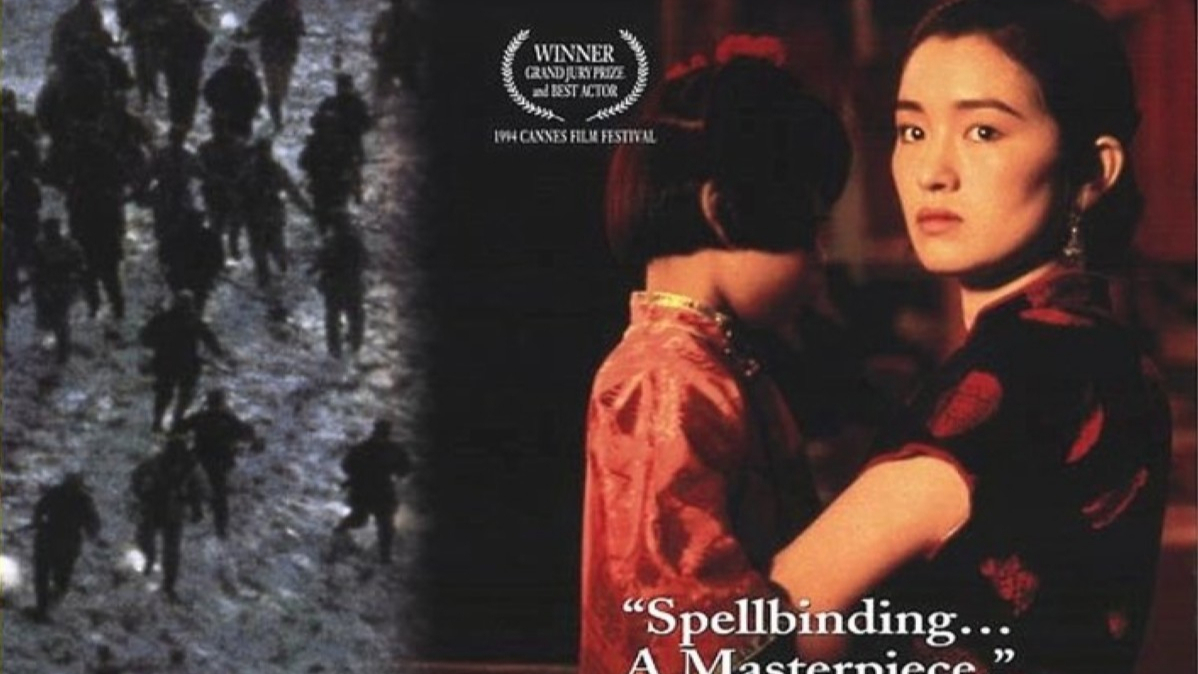
To Live (Film)
Overview
To Live is a Chinese film directed by Zhang Yimou, based on the novel of the same name by Yu Hua. Released in 1994, the film is set against the backdrop of significant historical events in China, spanning from the 1940s through the "cultural revolution" in the 1970s. It tells the poignant story of Fugui and his family as they navigate the tumultuous changes in Chinese society.
Plot Summary
The film follows the life of Xu Fugui, a well-to-do landowner's son who loses everything in a gambling spree. He is forced to adapt to a life of poverty with his wife Jiazhen and children, Fengxia and Youqing. As the film progresses, Fugui is conscripted into both the Nationalist and Communist armies, witnessing the horrors of war. The narrative portrays the family's struggle for survival and dignity amid the sweeping sociopolitical changes in China.
Characters
Xu Fugui: The protagonist, a man whose life journey reflects China's transformation.
Jiazhen: Fugui's devoted wife, representing strength and support throughout their hardships.
Fengxia: Their daughter, who faces her own challenges due to the era's circumstances.
Youqing: Their son, whose fate adds emotional depth to the narrative.
Themes
To Live explores themes of resilience, the human condition, and the impact of historical forces on individual lives. The story emphasizes the importance of family, the endurance of the human spirit, and the simple desire to survive and live with dignity, regardless of circumstances.
Artistic Style
Zhang Yimou’s direction is noted for its use of color, symbolism, and poignant performances, which bring depth to the narrative. The film’s visual storytelling complements its thematic concerns, enhancing the audience's emotional connection to the characters’ experiences.
Critical Reception
The film received critical acclaim for its powerful storytelling and cinematography. It won the Grand Jury Prize at the Cannes Film Festival in 1994 and was praised for its performances, particularly by Ge You and Gong Li. However, due to its critical view of historical events, it faced censorship in China.
Awards and Honors
In addition to the Cannes Grand Jury Prize, To Live received numerous accolades and was screened at various international festivals. Its recognition highlights the film's artistic and cultural significance, as well as its universal themes of human endurance and resilience.
Impact and Legacy
To Live is considered a classic in Chinese cinema, known for its emotional depth and historical perspective. It introduced international audiences to Chinese storytelling and remains a significant work in Zhang Yimou’s filmography. The film’s exploration of personal loss and perseverance continues to resonate with audiences worldwide. Article reference1. American living deep in mountains translates Chinese classic text. chinadaily.com.cn. 20192. Movie based on ethnic unity campaign set for release. chinadaily.com.cn. 2019Photo Gallery(1 picture)CategoriesArtsTagFilm and TVCatalogue1. Overview2. Plot Summary3. Characters4. Themes5. Artistic Style6. Critical Reception7. Awards and Honors8. Impact and Legacy- - - []








